Fotografía de género: Cómo Rusia y Occidente ven el mundo a través del lente
El artículo examina los principales enfoques de los fotógrafos, analiza el impacto de la fotografía de género y compara el desarrollo de esta disciplina en Rusia y en el extranjero.
Introduction
Since the appearance of the first photograph in 1839, a real revolution has taken place. Photography changed the perception of the world, and its technologies evolved from daguerreotype to mobile photography in less than 200 years. Today, there are many directions and classifications of photography, among which genre photography occupies a special place.
Key figures in the development of this direction were masters such as Richard Avedon, Peter Lindbergh, Annie Leibovitz, Ian Berry, Dorothea Lange, Yuri Abramochkin, Sergei Vasiliev, and Vadim Gippenreiter. Their work is based on two principles formulated by Henri Cartier-Bresson and Helmut Newton.
- H. C. Bresson’s Principle: the shot must be taken at the peak of action or emotion.
- H. Newton’s Principle: the photograph must be staged and carefully thought out.
Genre Photography: Two Approaches
Staged Photography by Helmut Newton
Helmut Newton’s works are distinguished by careful direction, starting from the setting and ending with the models’ poses. His photographs, such as “Portrait of Elsa Peretti” (1973), demonstrate strong but feminine images.
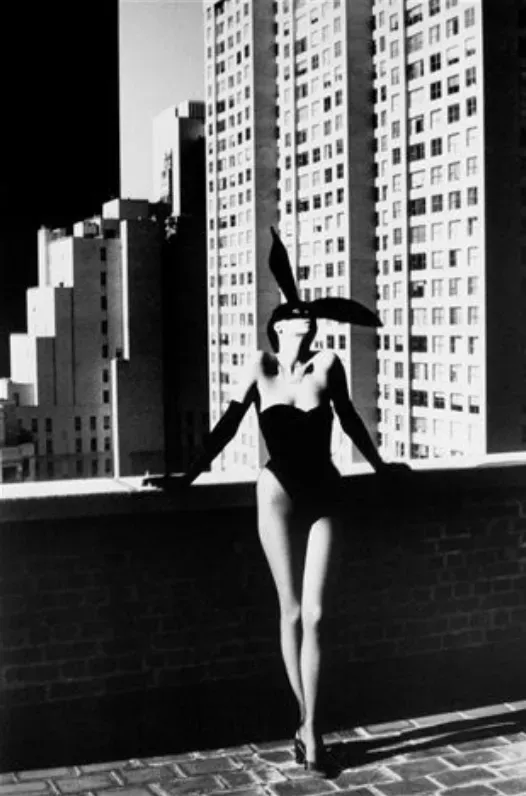
Newton worked in Hollywood and collaborated with leading magazines such as Vogue, Playboy, Harper’s Bazaar, and Elle, which became a new word in the fashion industry in the 50s-60s.
Documentary Photography by Henri Cartier-Bresson
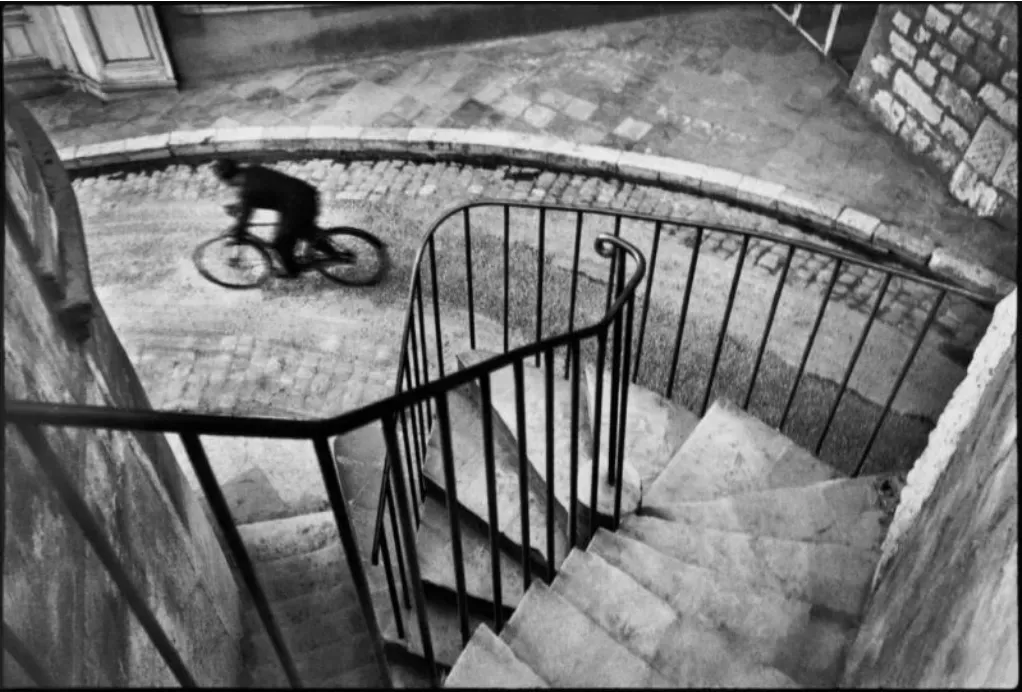
Henri Cartier-Bresson, on the contrary, adhered to the principle “I am not in this world”. His works, such as “France. 1932”, capture moments of life in their natural dynamics.
Bresson became the founder of the Magnum photo agency, which specialized in reportage and genre photography. Among his colleagues were Robert Capa, Eugene Smith, and Steve McCurry, whose works changed the world and evoked a deep emotional response from viewers.
Genre Photography in Russia
Alexander Rodchenko
In Russia, a key figure in genre photography was Alexander Rodchenko. His works, such as “Daughter at the Homemade Radio Receiver” (1929), are distinguished by unusual angles and dynamism.
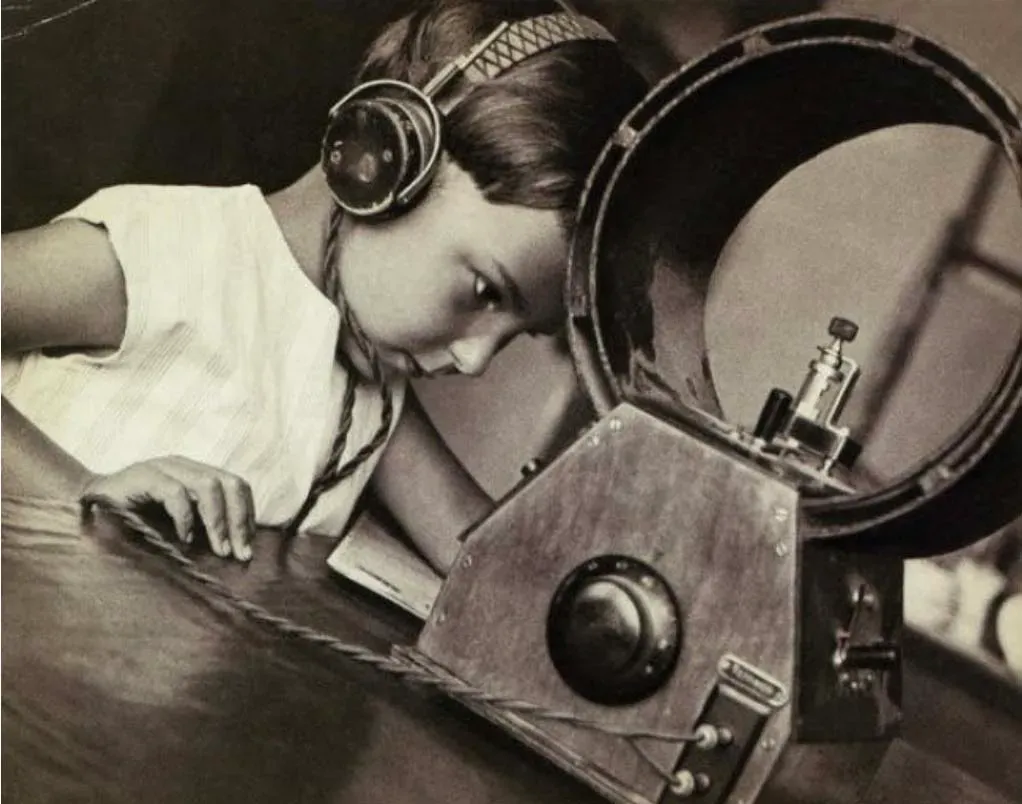
Rodchenko believed that photography should be truthful art, reflecting life as it is.
Soviet Genre Photography
In the USSR, genre photography actively developed within the framework of socialist realism. Photographers such as Arkady Shaikhet and Boris Ignatovich created works that reflected the daily life of Soviet people. These shots were not only documentary but also propaganda, emphasizing the achievements of the socialist system.
Modern State of Genre Photography
Abroad
In the 20th century, Europe and the USSR were centers of genre photography, while the US preferred glossy and fashion photography. However, today the situation has changed: abroad, genre photography remains popular, while in Russia its value has decreased.
Examples of Modern Foreign Photographers
- Steve McCurry: his works, such as “Afghan Girl”, became symbols of documentary photography.
- Sebastião Salgado: his projects dedicated to the lives of workers and migrants evoke a deep emotional response.
In Russia
In Russia, genre photography faces a number of problems:
- Lack of commercial demand. Most clients prefer staged shots.
- Lack of popularization. Genre photography is rarely covered in the media and exhibitions.
- Lack of educational programs. Young photographers find it difficult to find support and resources for development.
Examples of Modern Russian Photographers
- Igor Mukhin: his works are dedicated to the lives of ordinary people in post-Soviet Russia.
- Valery Nistratov: his photographs reflect the daily life of the Russian province.
Criteria of Genre Photography
Genre photography is characterized by the following features:
- Documentary nature: reflection of reality without photographer intervention.
- Emotional coloring: transmission of feelings and moods.
- Dynamism: capturing moments in their natural development.
- Human as the main object: emphasis on emotions and interactions of people.
Features of Genre Photography
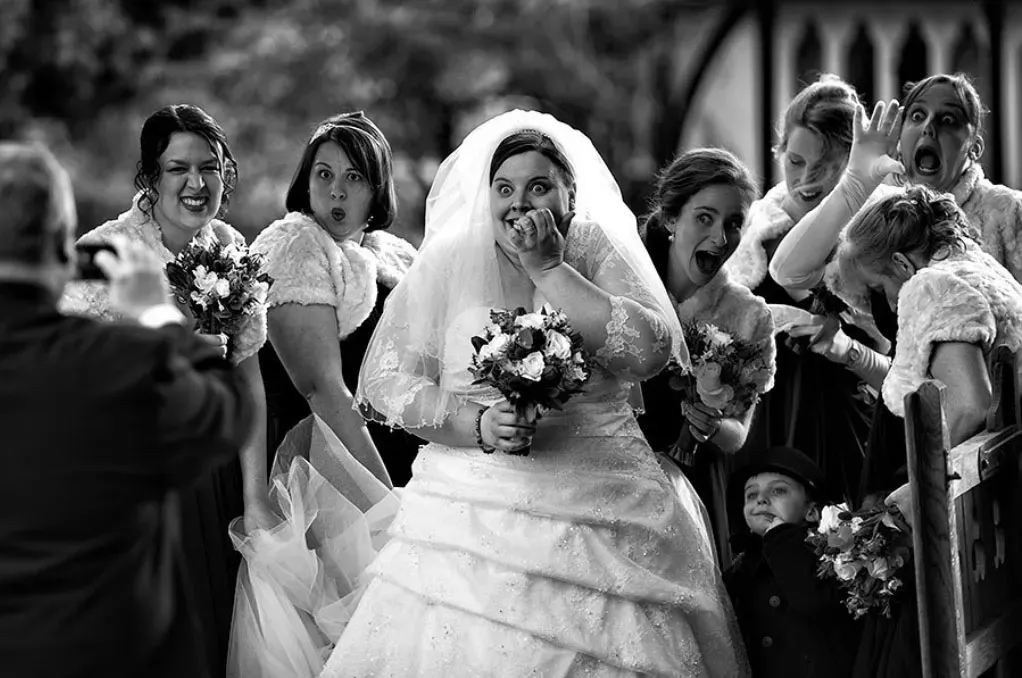
Genre photographers notice what others often miss. Their subjects are everyday scenes: urban everyday life, rural life, or emotional moments. This genre is actively used in newspaper publications with social themes, as well as in wedding photography, where the emphasis is on people’s emotions, and the photographer remains invisible.
Genre Photography in the World and Russia Analysis of portfolios of wedding photographers from the USA, France, and Italy shows that most works are black and white genre and reportage shots (Fig. 4). While Russian photographers are dominated by color staged shots that rarely attract viewer attention (Fig. 5). This is due to several reasons:
In Russia, genre photography is considered non-commercial.
In the USA and Europe, documentary and reportage photography is actively popularized by agencies and magazines, shaping society’s taste.

Popularization of Genre Photography
| Indicators | Russia | West | |---|---|---| | Photo Contests | Young Photographers of Russia
BestofRussia
Point on the Map
Direct Look | LensCulture — Street Photography Awards
World Press Photo Foundation
35Awards | | Photo Agencies and Magazines | Union of Art Photographers of Russia
TASS
Soviet Photo
Unknown Siberia | Magnum
National Geographic
Aperture
Leica Street Photo International
Black + White Photography | | Famous Representatives | O. Klimov
V. Semin
O. Videnin
Lyalya Kuznetsova
A. Petrosyan | Eugene Smith
Vivian Maier
Robert Capa
Steve McCurry
Elliott Erwitt
Jill Freedman |
Abroad International publishers and photo agencies, such as Magnum, actively support young
photographers through contests, master classes, and social media publications.
Examples of Foreign Initiatives
- World Press Photo: annual contest attracting thousands of photographers from around the world.
- Magnum Photos: educational programs and master classes for aspiring photographers.
In Russia
In Russia, the Union of Art Photographers is engaged in promoting genre photography, but most contests require entry fees, which limits access for aspiring photographers.
Examples of Russian Initiatives
- Photobiennale in Moscow: exhibitions and contests dedicated to modern photography.
- “Silver Camera” Award: award for photographers working in the genre of documentary photography.
Prospects for the Development of Genre Photography
Genre photography continues to be an important means of reflecting reality. In the era of digital technologies and social networks, its role is only strengthening. However, for its development, it is necessary:
- Support from the state and private organizations.
- Creation of educational programs and master classes.
- Popularization of the genre through media and social networks.
Conclusion
Genre photography remains an important means of reflecting reality. Despite technological progress, its value lies in the ability to convey emotions and tell stories. While abroad this genre continues to develop, in Russia it faces a number of challenges related to commercialization and lack of popularization.
¿Tienes una idea?
Nos encargamos de todo el proceso: del concepto a la realización. Video, diseño, desarrollo.